

"Parents based in the northern part of London wants to find an remarkable and skilled educator to support their youngest child on his initial journey to growing into an English gentleman."
Looking at this post, you might easily skip the phrase "beginning" as mere a turn of phrase.
Yet, it could be the crucial part of this unique job advert, as it aims to hire a tutor for a one-year-old.
Numerous of responses have now been submitted since the anonymous family published their search for the £180,000 per year tutor, who must be "someone very special".
During the past few weeks, the listing has attracted attention in the news, with numerous asking why?
Innovative Idea
Adam Caller, CEO and founder of an education consultancy, which is assisting the family in their hunt, explained that despite initial skepticism, he considered the idea "far sighted", and "advanced".
When he met the family, he noted they recognized the unusual nature of their request, and how young their son is.
However, they explained that they "were unwilling to delay any longer" to hire a tutor, as they had held off until their older child was five, and by that point "cultural conditioning had by then set in".
What exactly did the family mean by "cultural predisposition"?
It's "everything", the expert replied. "How you eat, the way you speak".
He said the firstborn had absorbed "really subtle, body language" from the family, and had adopted their cultural habits. The family explained to Adam they wished to avoid history to recur with their younger child.
The strategy: To bring in a English tutor, who should speak with RP, to guide the baby right from the beginning.
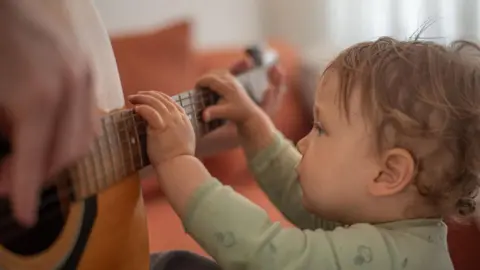
Natural Absorption
"Much of the learning at the start here is rather osmotic," explained the CEO.
It's via this osmosis that the family are expecting the child will acquire the UK customs they wish to impart.
Adam explained the tutor needed to be someone who attended "the right kinds of schools – comparable categories of schools as the family plan to send their son to".
"The educator must be the right kind of person, they'll be performing things they don't even know they're doing, simply by nature," he said.
Expense Not a Factor
The family told the expert the chosen tutor should ideally also have familiarity of or enthusiasm in equestrian activities, skiing, creative fields and instrumental training so as to shape the child in a wide range of hobbies.
Additionally though, he stated the family desired the tutor to register the child on a selection of classes so the child would be "pony-riding and starting an instrument by the time they are about three years old".
In the family's perspective, helping their son become a "British gentleman" will result in accomplishment and create opportunities.
"Taking into account the rights and wrongs of that, because it's definitely a class statement," he notes.
Yet, despite all this instruction in "UK identity", could the child adopt alleged cultural influence from the multicultural family he is raised by regardless?
"Yes", said Adam. "The family understand this could fail, but they've simply adopted the view of, 'let's give it a go and we'll proceed as early as we can', because the expense of it is not relevant," he stated.
Impractical
Several in the education sector who express these reservations.
Another CEO, head and founder of an educational organization, who provides personal educators, stated that "the development of embracing two identities, or indeed, forming one's identity, is something that must be experienced personally, not manufactured."
The expert noted that he had moved from the Far East to the Britain at the time of seven, and had been brought up understanding and embodying dual heritages. He went on to learn at Cambridge University.

"The idea that one individual can function as a embodiment of UK identity, a person who can in some way transfer the characteristics of a UK sophisticate to a 12-month-old child, strikes me as optimistic and impractical," he stated.
"From my perspective, employing a typically English tutor from early childhood will will not necessarily achieve the goal they hope for.
"I wasn't provided with such a tutor, and nevertheless I have been lucky enough to live numerous of the situations they hope for their son."
He added: "The truth is, self-identity cannot be dictated from the external environment; it must be embraced, and it must originate internally."
Buying Britishness
Naturally, UK identity is something Adam thinks can be taught – and commercialized.
"I think the reality that the global community holds us in this light is something that we should be cherishing|valuing|appreciating


